
Safe Delivery and Installation in Concord, CA: What Homeowners and Businesses Should Know
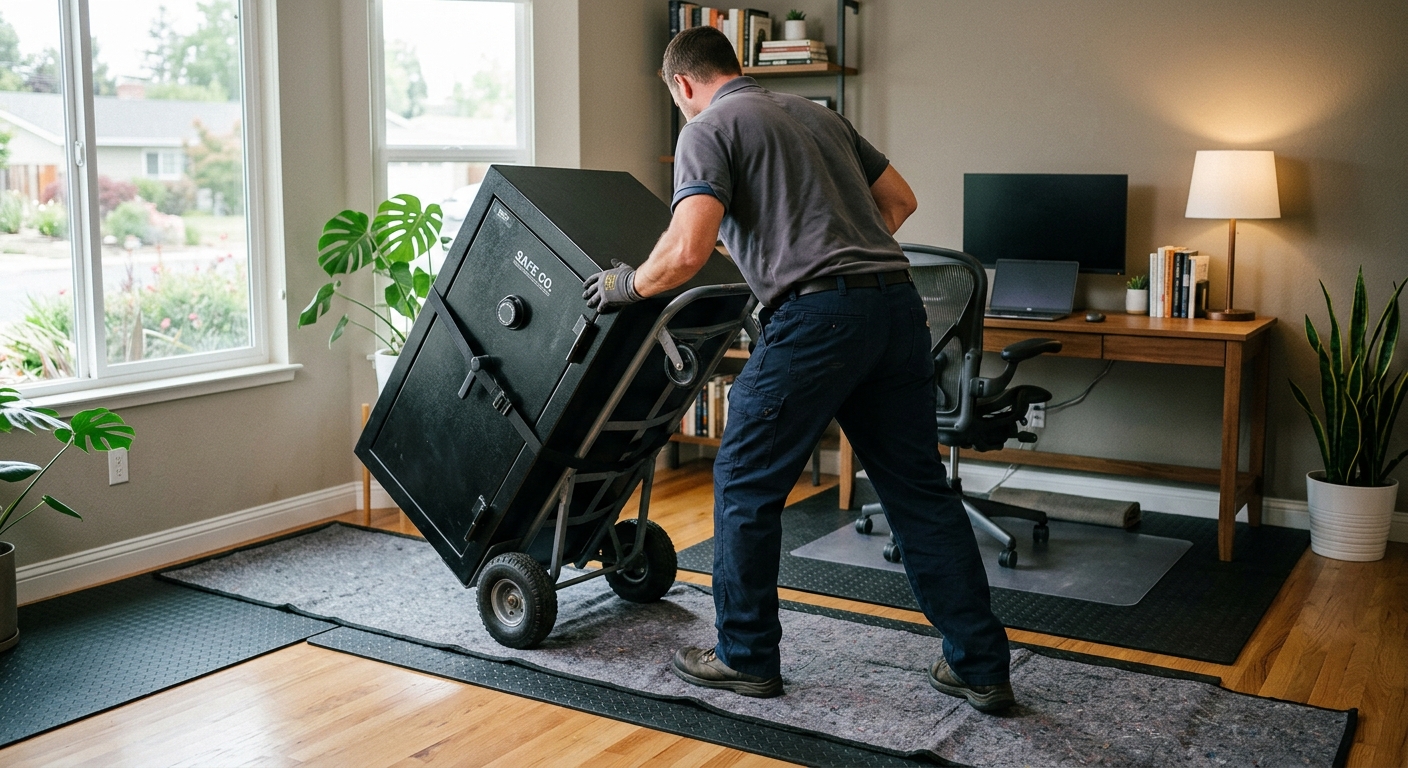
Buying a safe is only part of the job. Safe delivery and professional safe installation have a major effect on how well that safe protects what matters, how long it lasts, and how smoothly the process goes on installation day.
For homeowners and businesses in Concord and across the East Bay, the right plan starts before the safe arrives. Size, weight, floor type, stair access, room placement, anchoring, and even humidity all matter. Concord Locksmith has served the community since 1947, and that long local history gives customers a practical advantage when they need safe sales, delivery, installation, moving, or opening services.
A quick look at common safe types
Different safes solve different problems, and that affects delivery and setup.
Commercial safes are often used by offices, retail stores, property managers, and other businesses that need secure storage for cash, records, or controlled items. These units may need placement in back offices, stock rooms, or areas with specific access limits. If your business also needs broader commercial locksmith and access control services, a safe is often just one part of that plan.
Fire safes are built to help protect documents and valuables from heat and smoke exposure. They are a common choice for homeowners, landlords, and business owners who want to protect records, passports, deeds, and other papers.
Gun safes are typically larger and heavier than many homeowners expect. Placement, floor support, door swing, and anchoring are especially important when planning for a gun safe in a garage, bedroom, office, or upstairs room.
No matter the type, the details of safe delivery and safe installation should be part of the purchase decision, not an afterthought.
Safe weight changes everything
Weight is one of the first things a professional will consider. Small safes can still be awkward to move, while larger commercial safes and gun safes may require special equipment, extra planning, and a carefully mapped path from the truck to the final location.
That path matters. A safe might fit in the room you chose, but getting it through the front door, around corners, across thresholds, or up a staircase can be a different issue entirely. Professional safe moving helps reduce the risk of damage to walls, floors, doors, and the safe itself.
If you're still selecting a unit, it's smart to think beyond capacity and lock type. The better question is whether the safe can be delivered and installed safely in the exact spot where you want it.
Doorways, hallways, corners, and stairs
Access is often the biggest installation issue.
Before installation day, measure exterior doors, interior doors, hallways, tight corners, elevator openings if applicable, and stair widths. Safe dimensions should include not just the body of the safe, but also handle clearance, door swing, and any packing material used during transport.
Stairs need special attention. Straight staircases are one thing. Landings, narrow turns, uneven steps, or older homes with limited clearance can make delivery more involved. Businesses can run into similar issues when a safe needs to go behind counters, through service corridors, or into older commercial buildings in Concord or nearby East Bay cities.
A professional team can review the route in advance and spot obstacles before the move begins. That saves time and helps prevent last-minute surprises.
Floor type matters more than many customers realize
Where the safe will sit is just as important as how it gets there.
Concrete floors are usually the most straightforward option for heavier safes and for anchoring. Garages, ground-floor utility areas, and many commercial spaces fall into this category.
Tile floors need extra care during safe delivery and placement. A heavy safe moved without proper equipment or floor protection can crack tile or damage grout.
Wood floors can support some safes well, but load distribution matters. The total weight of the safe, plus contents, should be considered along with where the safe sits in the room.
Raised subfloors call for even more planning. In some homes, an upstairs office or bedroom may seem like the best location, but the floor structure and access route may make another placement safer and more practical.
This is one reason professional safe installation is so valuable. It isn't just about setting the unit down. It's about choosing a location that works for security, access, and the building itself.
Choosing the right placement
A good safe location balances security with daily use.
Some customers want a safe hidden from casual view. Others need quick, regular access for business operations or important household documents. The best spot often depends on what the safe will hold, who needs access, and whether the room has the right floor support and clearance.
In homes, common locations include garages, home offices, closets, and ground-floor rooms. In businesses, commercial safes may go near point-of-sale areas, in management offices, or in controlled back-room spaces. The goal is to place the safe where it makes sense without creating access problems, moisture issues, or structural concerns.
You should also think about door swing and surrounding space. A safe that's wedged into a tight corner may technically fit, but it may be frustrating to open and use every day.
Why anchoring matters
Anchoring can be an important part of a proper installation, especially for lighter units or safes placed in accessible areas.
A safe that isn't anchored may be more vulnerable to being shifted, tipped, or removed. In some cases, anchoring also helps with stability on the chosen surface. The best anchoring method depends on the safe model, the floor material, and the location.
This is another area where professional setup helps. Proper safe installation should account for both security and the condition of the surrounding surface.
Don't overlook humidity and environment
Humidity can affect both the contents of a safe and, over time, parts of the safe itself.
That matters for paper records, cash, electronics, firearms, and other items sensitive to moisture. Garages, basements, and some exterior-facing rooms can have more temperature and moisture swings than interior spaces. Fire safes and gun safes often protect items that need a stable environment, so placement should take that into account.
If you're deciding between a garage and an interior room, convenience isn't the only factor. Local conditions in Concord and the East Bay can make one location better than another depending on what you plan to store.
What to prepare before the installation appointment
A little preparation makes installation day much easier.
Before your appointment, clear the full path from the entry point to the final location. Remove rugs, small furniture, décor, breakables, and anything else that could limit space or create a tripping hazard. If the safe is going upstairs or through a narrow hallway, make sure those areas are fully open.
It also helps to:
- Measure doorways, halls, staircases, and the final placement area
- Confirm the safe's dimensions and approximate weight
- Decide on the exact room and wall location in advance
- Let the installer know about stairs, tight turns, gates, or unusual access issues
- Keep pets and children away from the work area during delivery
- Make sure the floor area is clean and dry
If you're replacing or relocating a unit, mention that when scheduling safe moving service. Existing safes can present their own access and anchoring issues, especially in older homes and commercial buildings.
Safe moving and safe opening services
Customers don't always need a brand-new installation. Some are remodeling, changing offices, inheriting a safe, or moving from one home to another. In those situations, professional safe moving becomes the priority.
There are also cases where a safe needs to be opened before it can be moved or reused. A safe locksmith can help assess the situation and recommend the right next step. That may involve opening the safe, relocating it, reinstalling it, or helping you replace an older unit with one that better fits your current needs.
Why local experience matters
Safe work is detail-heavy. Every home, business, staircase, floor surface, and access route is a little different.
Concord Locksmith has been serving Concord since 1947, and that long-standing local presence matters when customers need practical guidance, not guesswork. From downtown Concord homes to commercial properties across the East Bay, local experience can help identify delivery challenges early and make the process more efficient from the start.
FAQs about safe delivery and installation
1. How do I know if my floor can handle a safe?
That depends on the safe's weight, its footprint, and where it will be placed. Concrete is often the simplest surface for heavier units. Wood floors, tile, and raised subfloors may need closer review before safe installation.
2. Can a safe be installed upstairs?
Sometimes, yes. The key issues are access, stair design, floor support, and the safe's total weight. A professional evaluation helps determine whether an upstairs installation is a good fit.
3. Should a safe be anchored?
Many safes benefit from anchoring, especially lighter units or those placed in accessible areas. The right method depends on the safe and the floor surface.
4. What should I do before safe delivery day?
Clear the route, measure access points, choose the final placement area, and share any access challenges in advance. This helps the installation go more smoothly and reduces the chance of delays.
5. Can you move an existing safe to a new home or business?
Yes, professional safe moving can help when a safe needs to be relocated within the same building or moved to a new property. Planning matters just as much for a move as it does for a first-time installation.
Schedule safe sales, delivery, installation, moving, or opening service
If you're shopping for commercial safes, gun safes, or fire safes, or if you need help with safe delivery, safe installation, safe moving, or safe opening, Concord Locksmith is ready to help. Businesses that also need commercial access control or master key systems can talk through both needs at once. Contact Concord Locksmith to discuss your safe needs, plan the best placement, and schedule professional service in Concord and surrounding East Bay communities.